
A3 - Architecture overview
Capturing and communicating architectural aspects can be a challenge - especially during refactoring or when handing over responsibilities. That’s where the A3 method shines. Developed by the University of Twente in collaboration with TNO-ESI and Philips, this proven approach has been successfully adopted by leading high-tech companies.
Why A3?
Traditional system documentation often spans countless documents, inconsistent in content and format. The result? Outdated, incomplete, and hard-to-access information - leading to design decisions based on unreliable data.
The A3 method solves this by presenting architectural overviews on a single A3 sheet, combining graphical and textual representations. It captures the complete system using a limited set of core concepts, each linked through multiple connected views that reveal critical interdependencies.
How it works
The A3 method follows a clear, structured process:
- Select the key architectural concept and target audience
- Capture essential information on one A3 sheet, including:
- Functional overview
- Physical overview
- Design decisions and key system parameters
- Evaluate, adapt, and repeat as needed
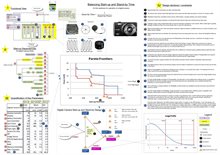
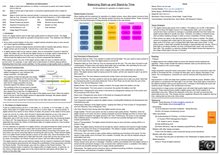
This concise, visual approach makes complex systems easier to understand, communicate, and evolve - empowering teams to make informed decisions quickly.
Success stories
-
A3 Architecture Overviews
PhD thesis of P. Daniel Borches
Simplify complexity and accelerate decision-making with the A3 Method.
Contact us
-

Benny Akesson
Functie:Science LeadSpecialisatie niet bekend-
Telefoon:+31 88 866 54 20
-
E-mail:E-mail Benny
-
LinkedIn:Benny on LinkedIn
-
-

Piërre van de Laar
Functie:Research FellowSpecialisatie:Software Maintenance and Evolution-
Telefoon:+31 88 866 54 20
-
E-mail:E-mail Piërre
-
LinkedIn:Piërre on LinkedIn
-